Eutanyacra picta
Eutanyacra picta
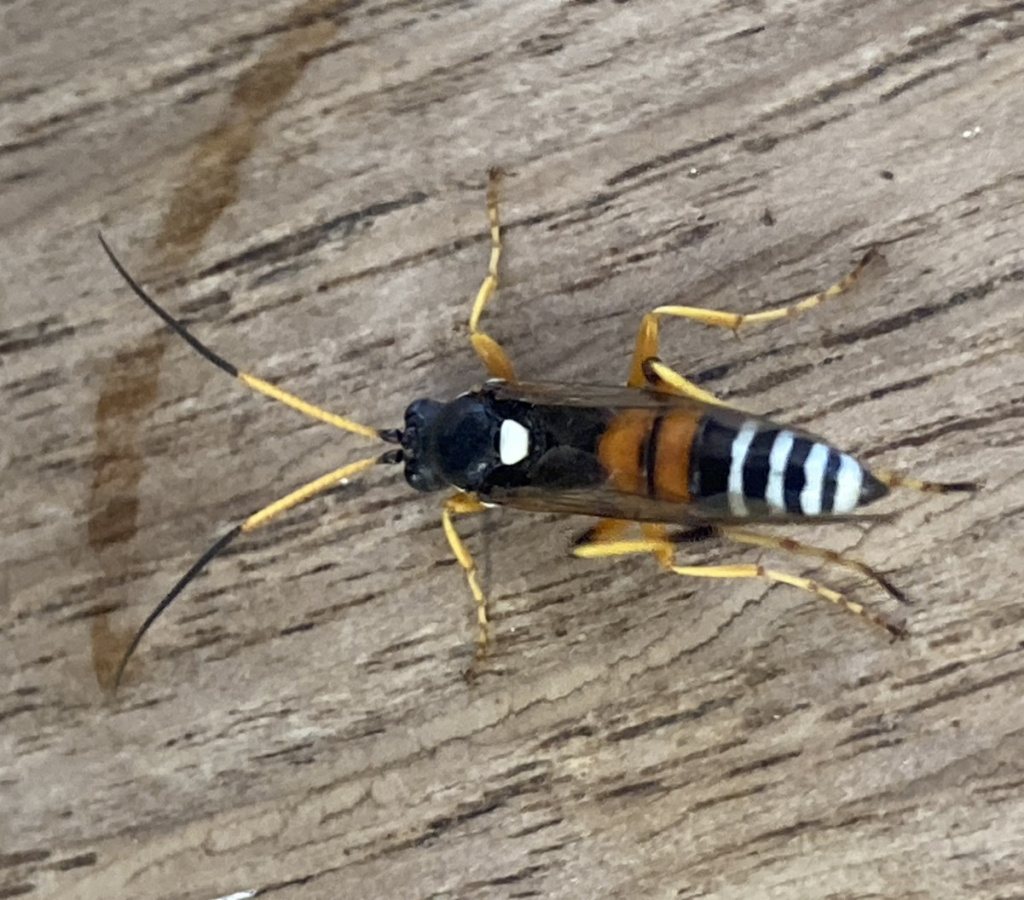
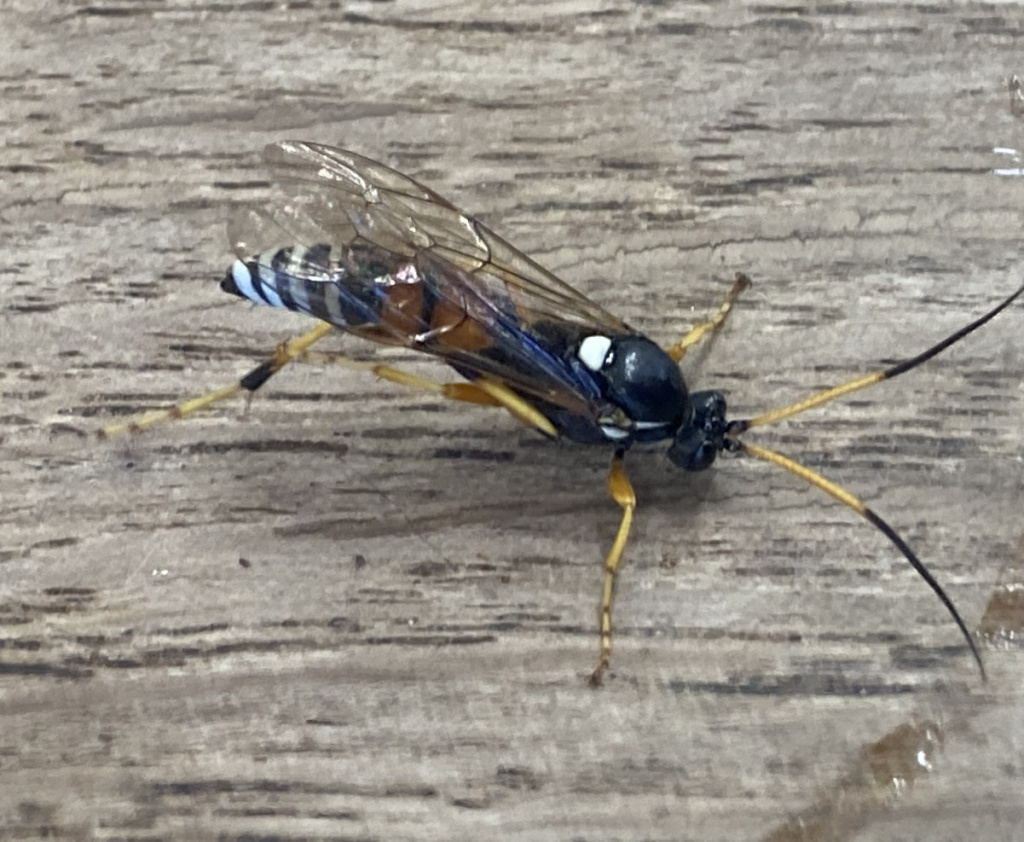
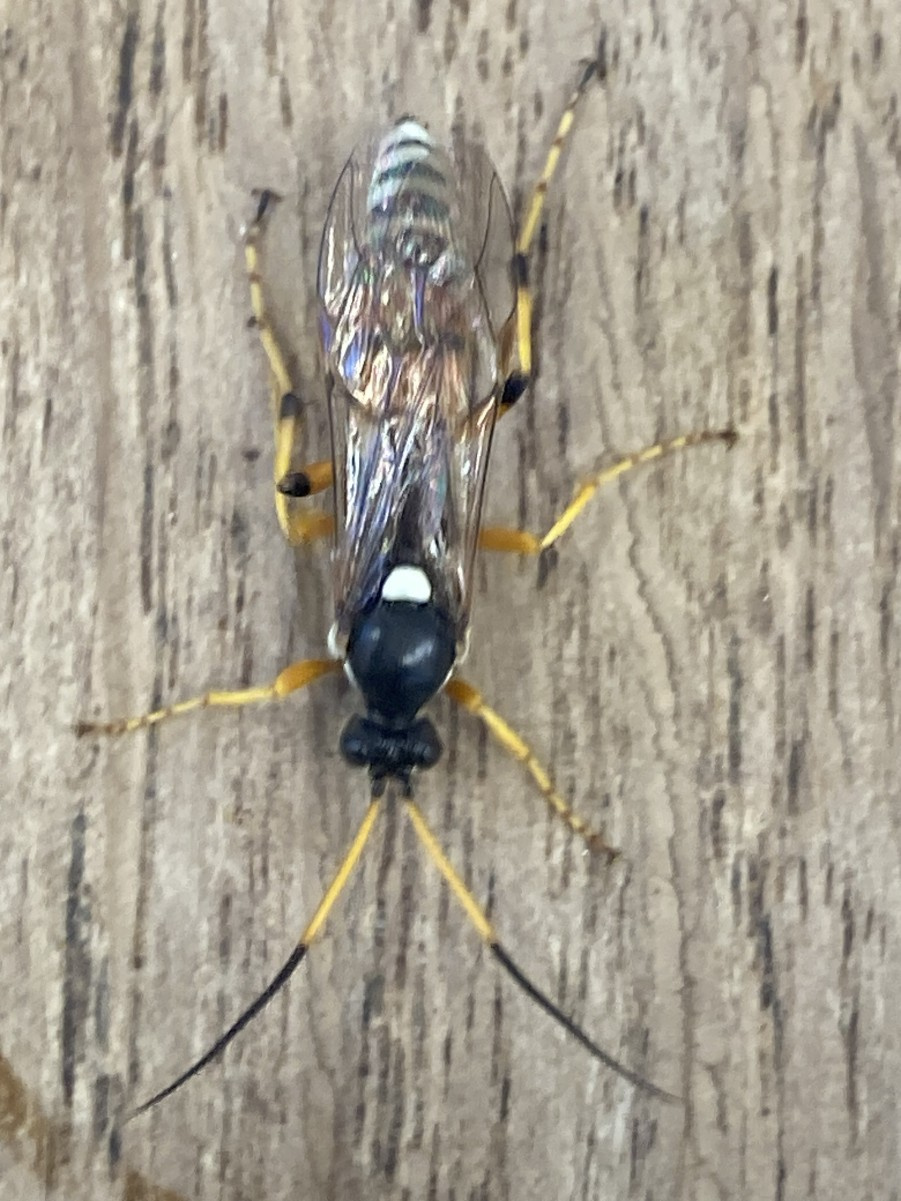
A slender, narrow-waisted wasp typically 10–15mm in length with distinctive markings. As is common in Ichneumons, males and females differ in their color patterns and antennal structures. Females possess a short ovipositor used for penetrating host pupae or larvae.

Photographs required.
Open habitats, field margins, hedgerows, meadows, and agricultural land where suitable lepidopteran host species are present.
Adults are typically active from late spring through autumn. Adult wasps feed on nectar from flowers (frequently Umbelliferae/Apiaceae) and honeydew. Adult females often hibernate during winter in sheltered places—such as beneath loose tree bark, inside rotting wood, or under moss—before emerging in early spring to locate new hosts.
Primary koinobiont/idiobiont endoparasitoid targeting caterpillars and pupae of moths (Lepidoptera), particularly species in the family Noctuidae. Female wasps seek out host larvae/pupae in soil, leaf litter, or vegetation and use their ovipositor to lay an egg inside the host.
Uncommon.
Rare.
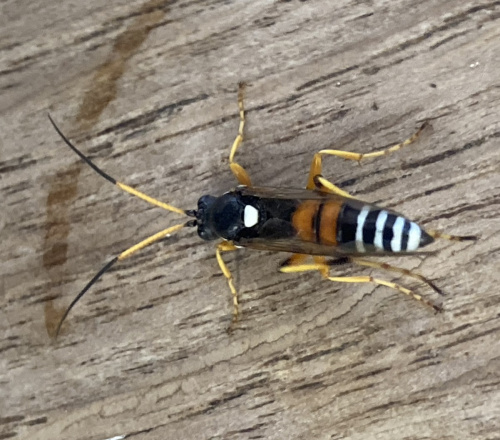 willkirby
Horninghold, Gardener's Cottage
12 October 2026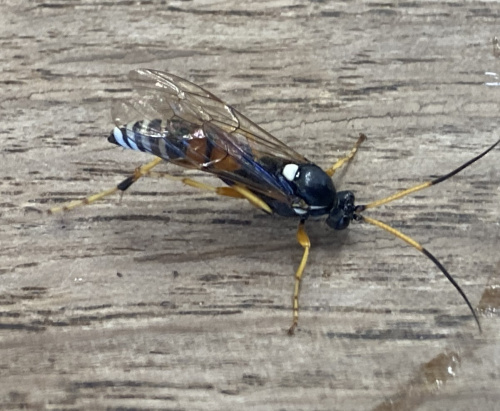 willkirby
Horninghold, Gardener's Cottage
12 October 2026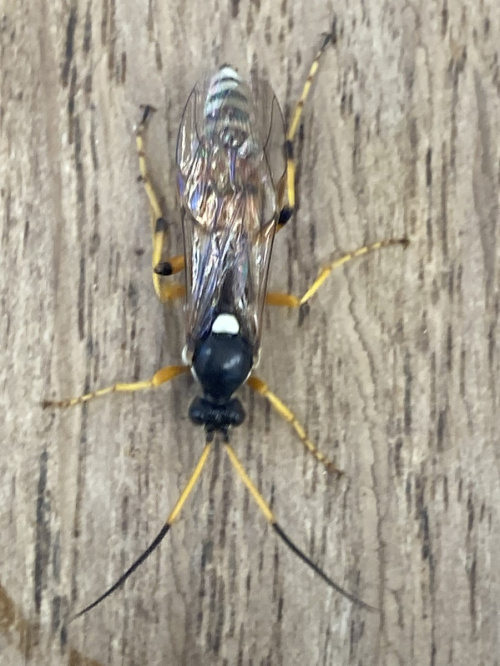 willkirby
Horninghold, Gardener's Cottage
12 October 2026
Leicestershire & Rutland Map
Enter a town or village to see local records
MAP KEY:
Yellow squares = NBN records (all known data)
Coloured squares = NatureSpot records: 2025+ | 2020-2024 | pre-2020
UK Map
Additional images
No additional images available for this species.