Common Yellow-face Bee - Hylaeus communis
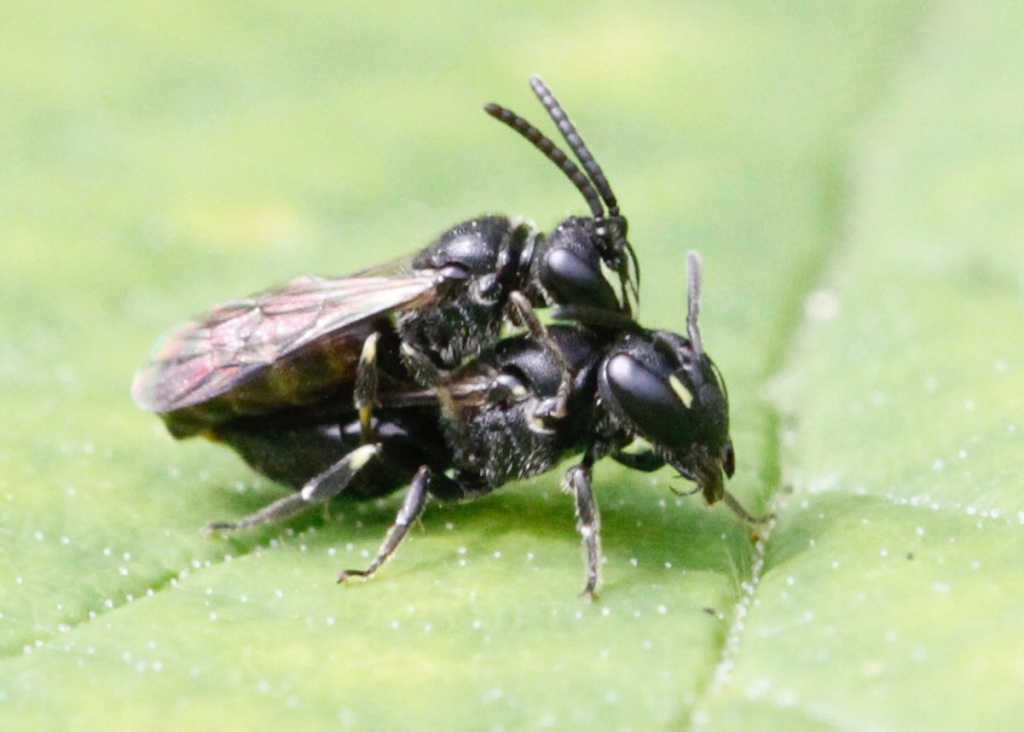
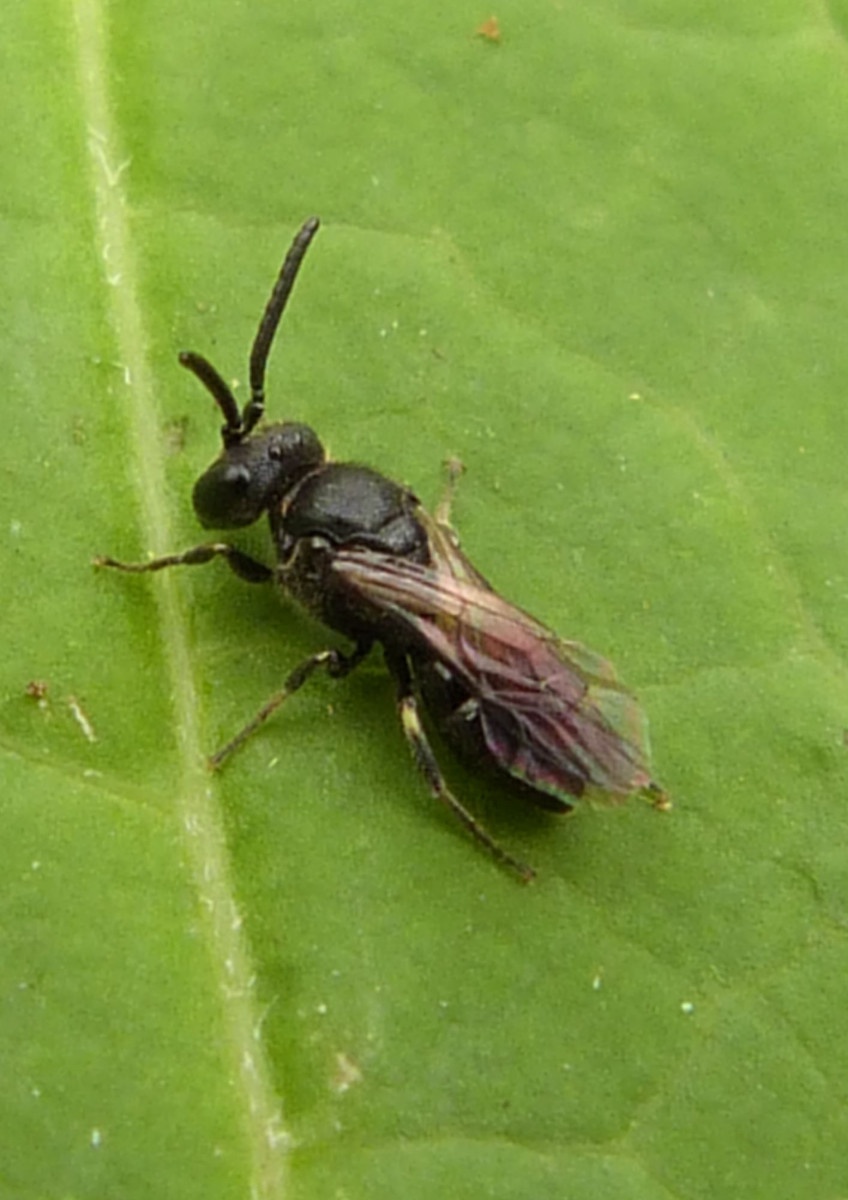
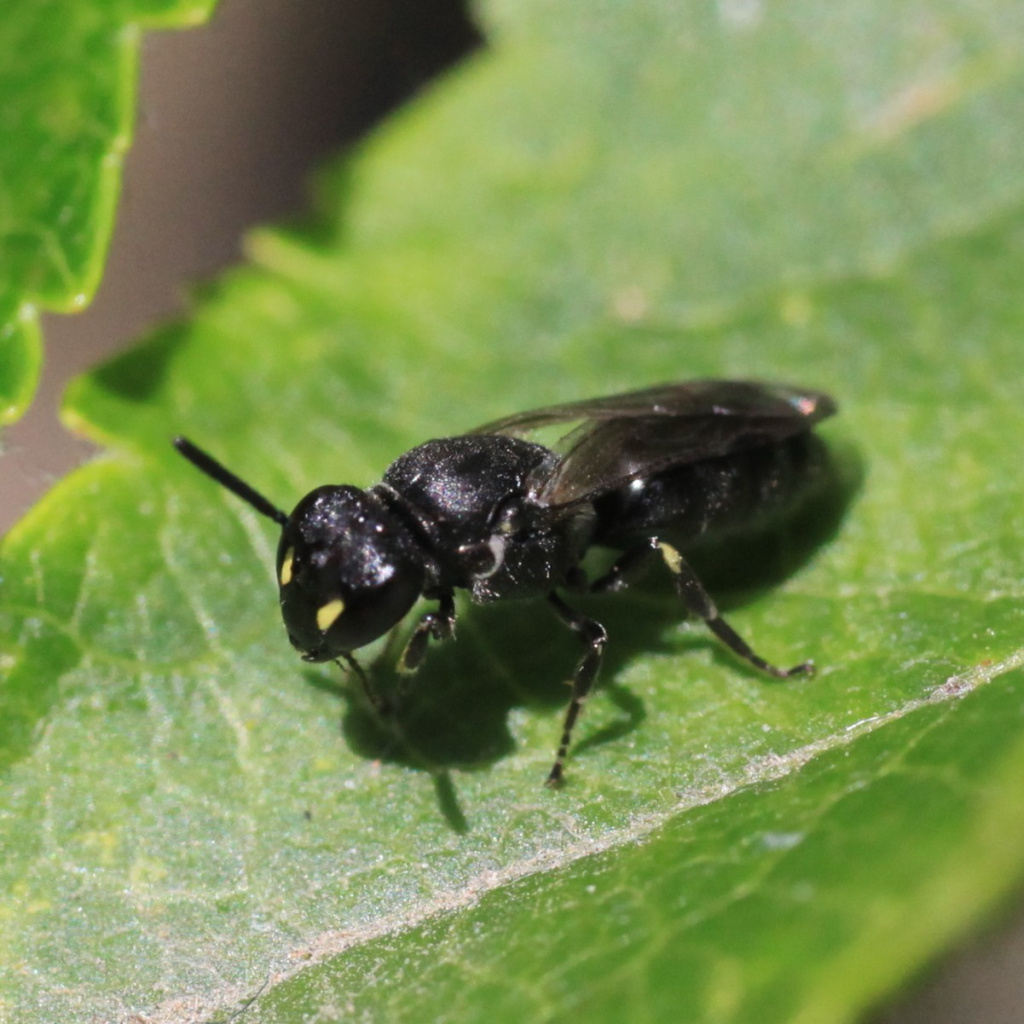
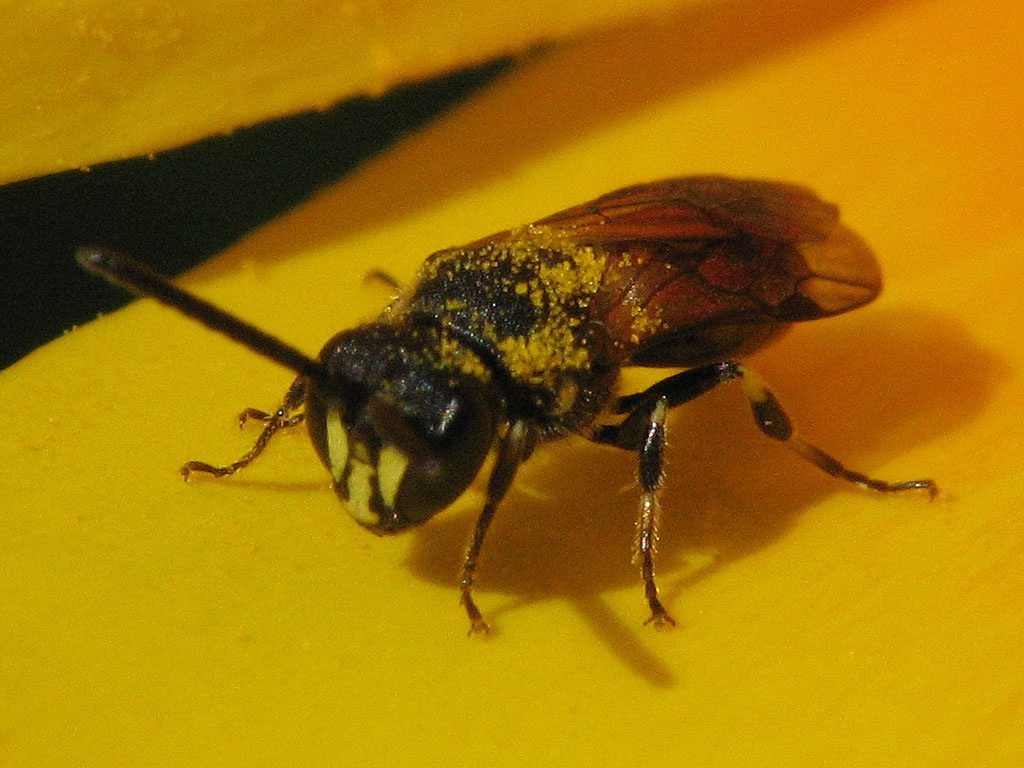
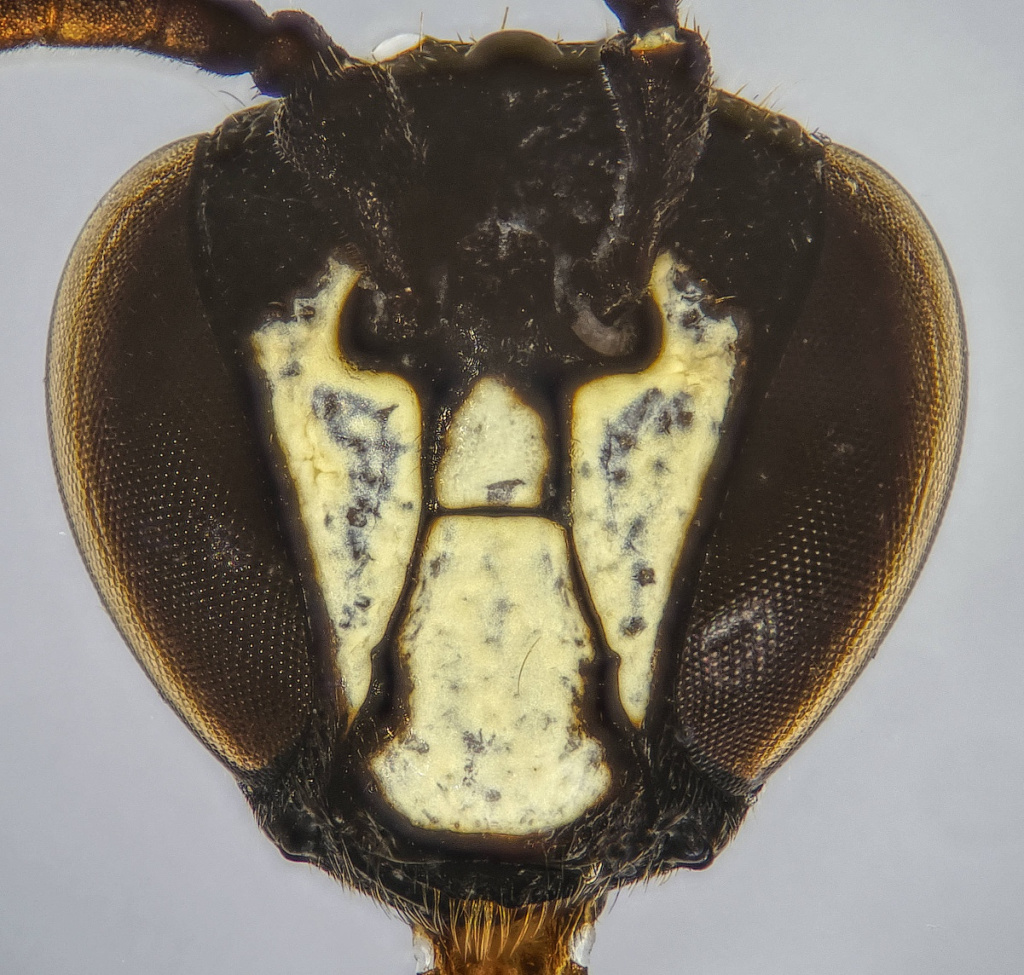
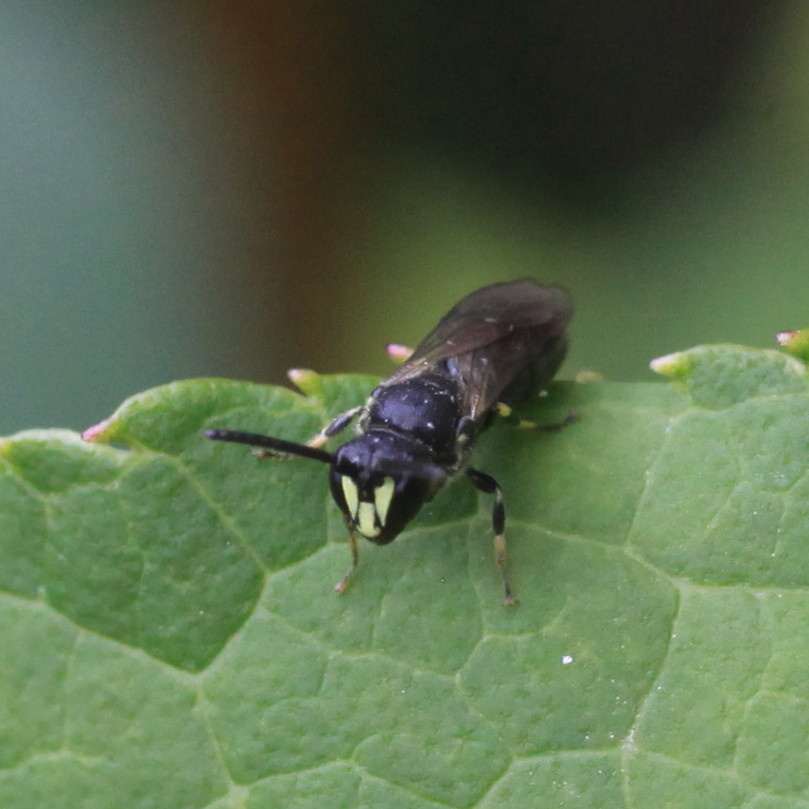
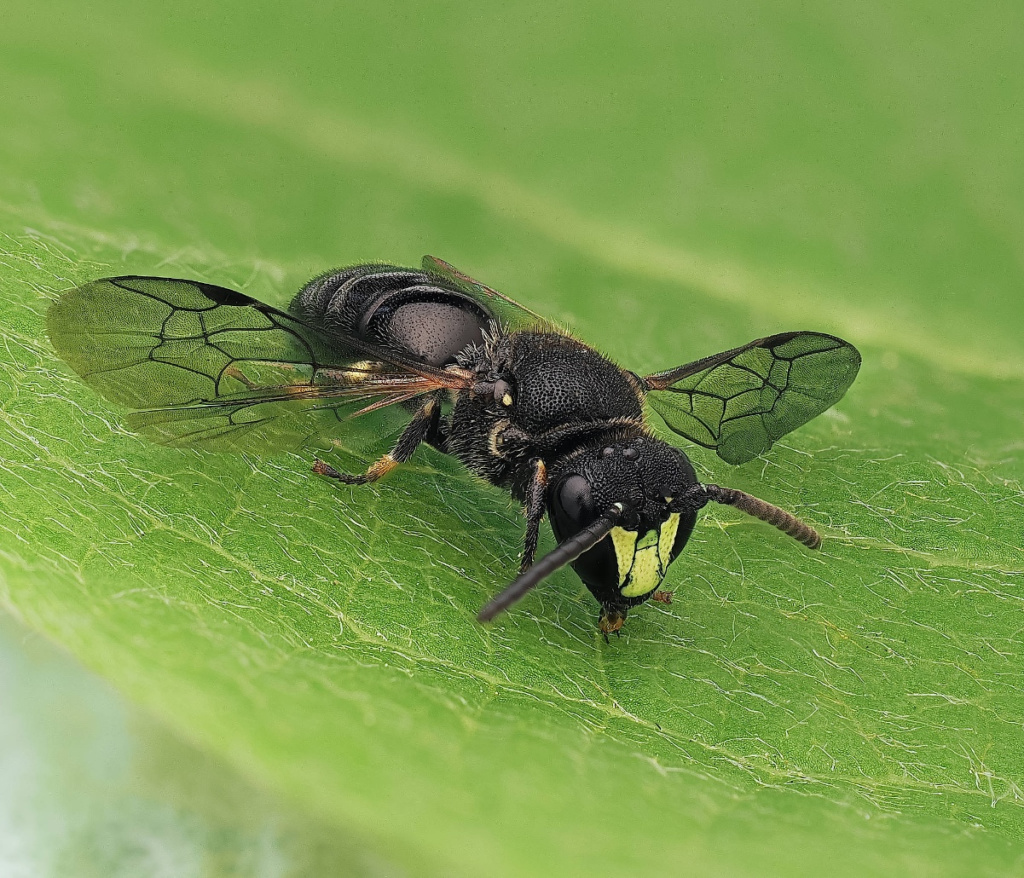
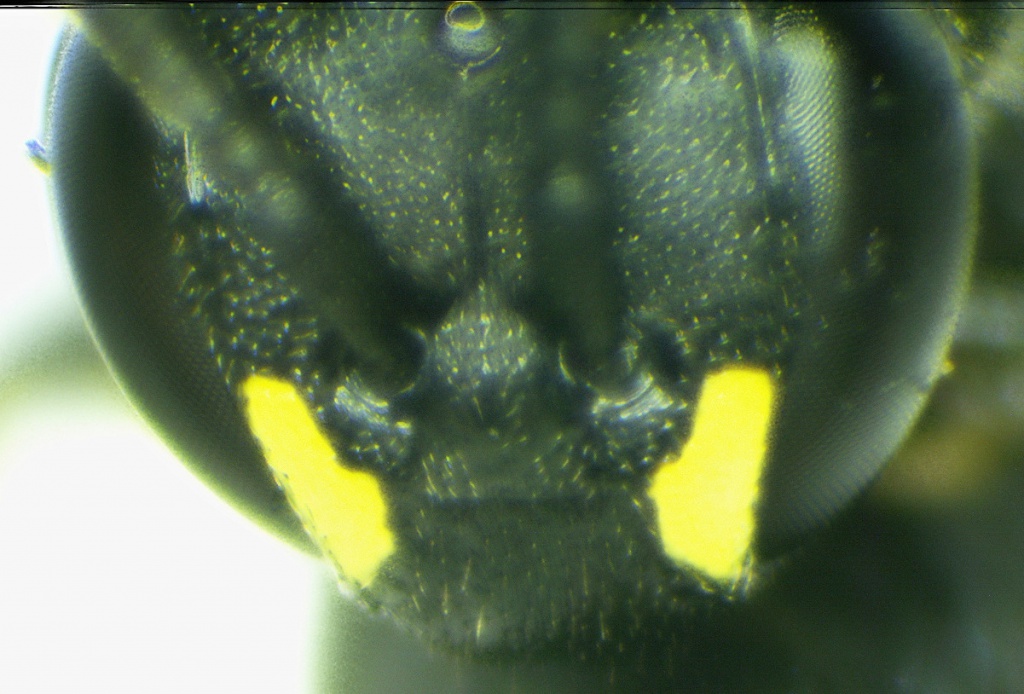
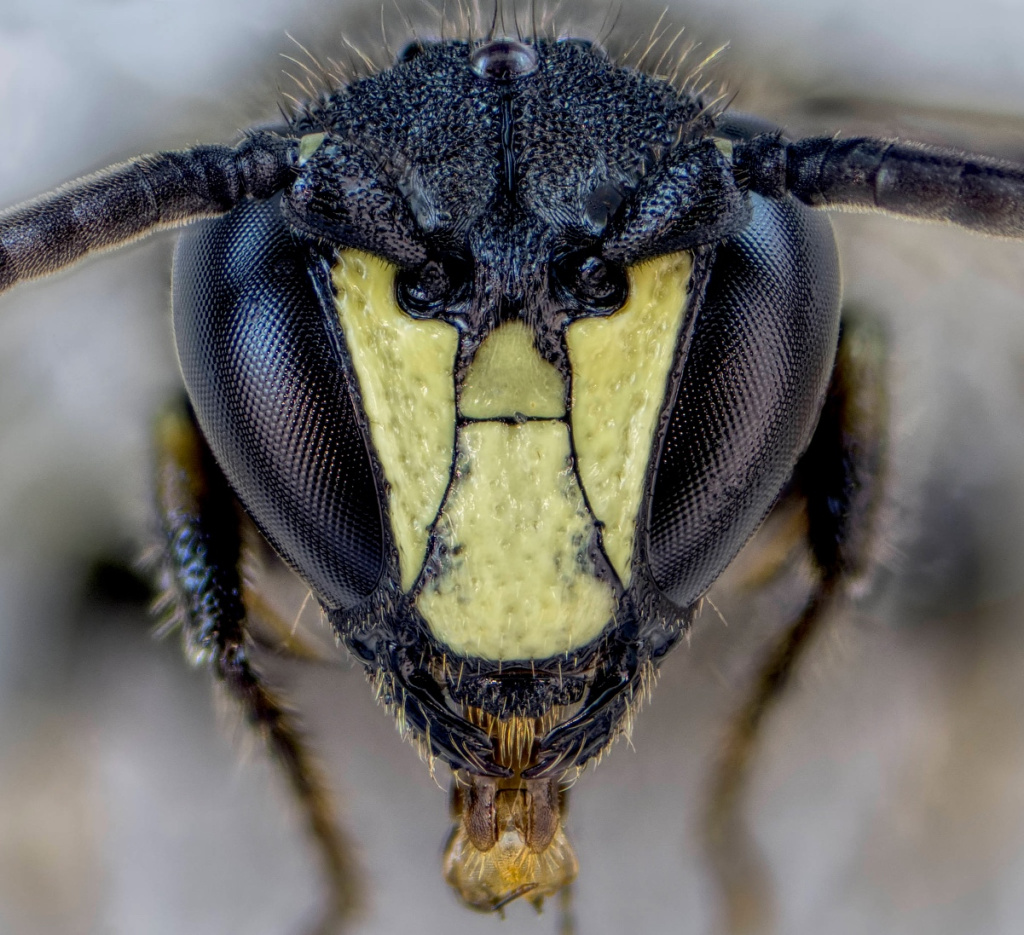
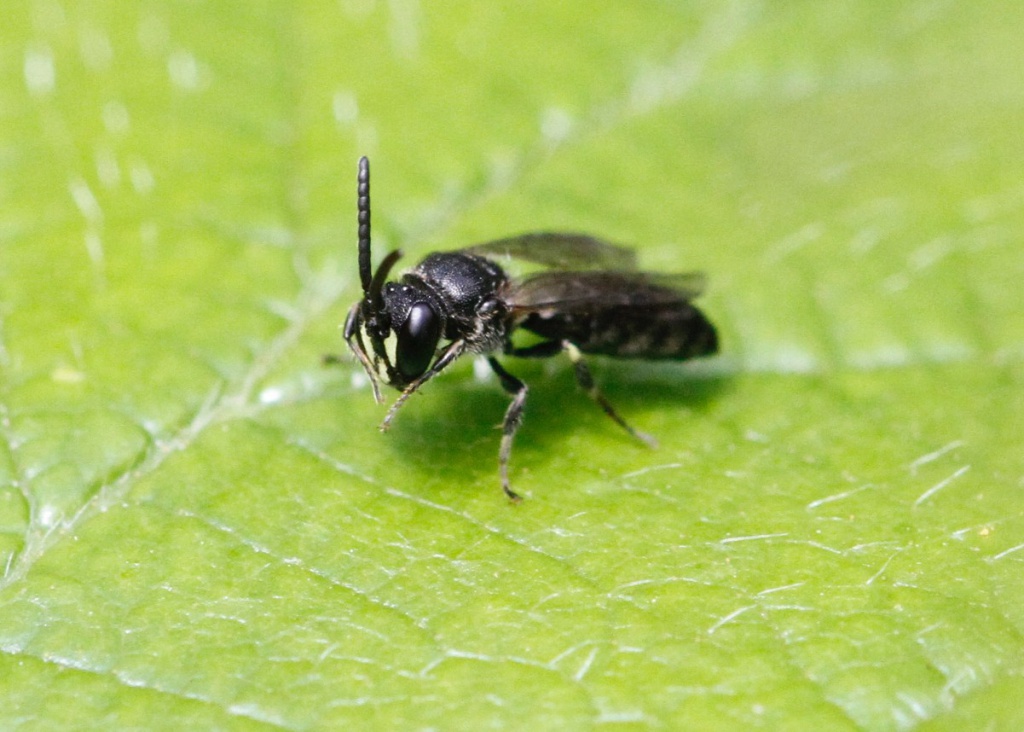
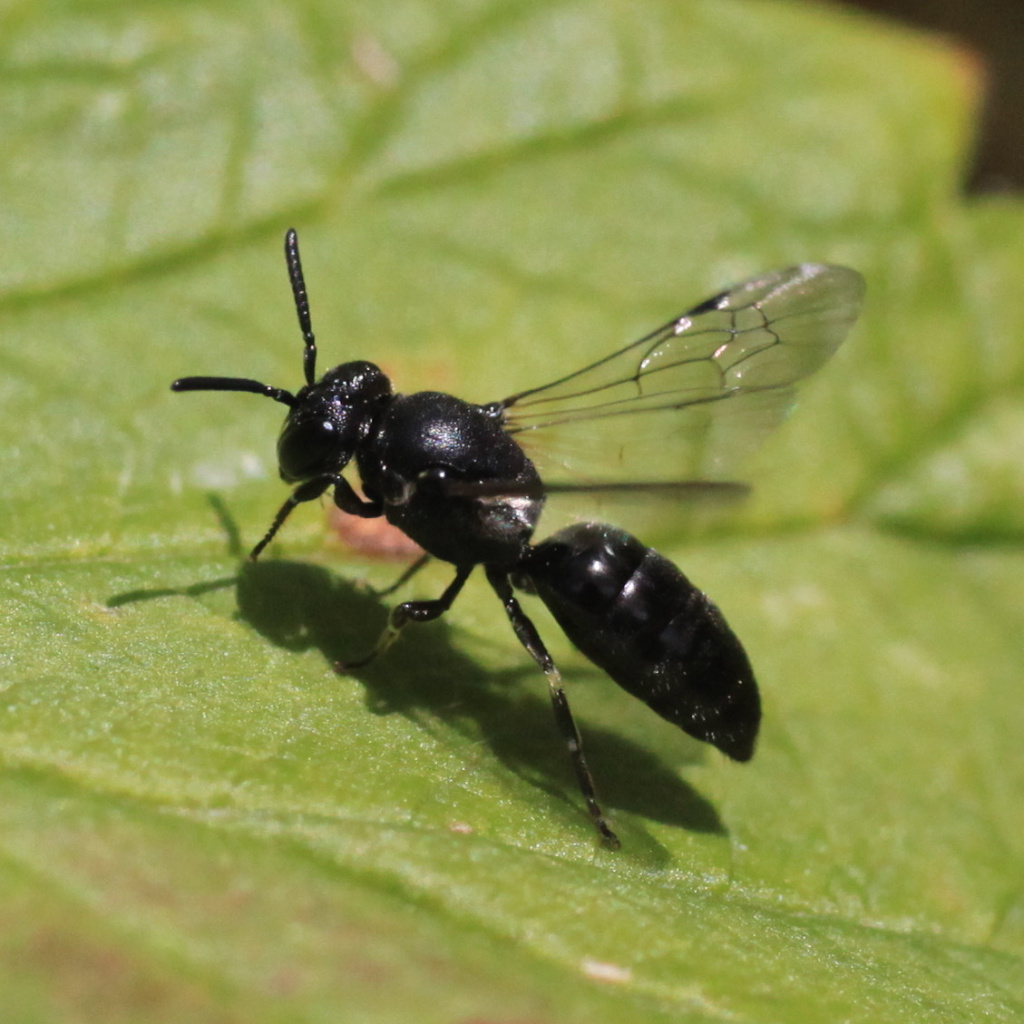
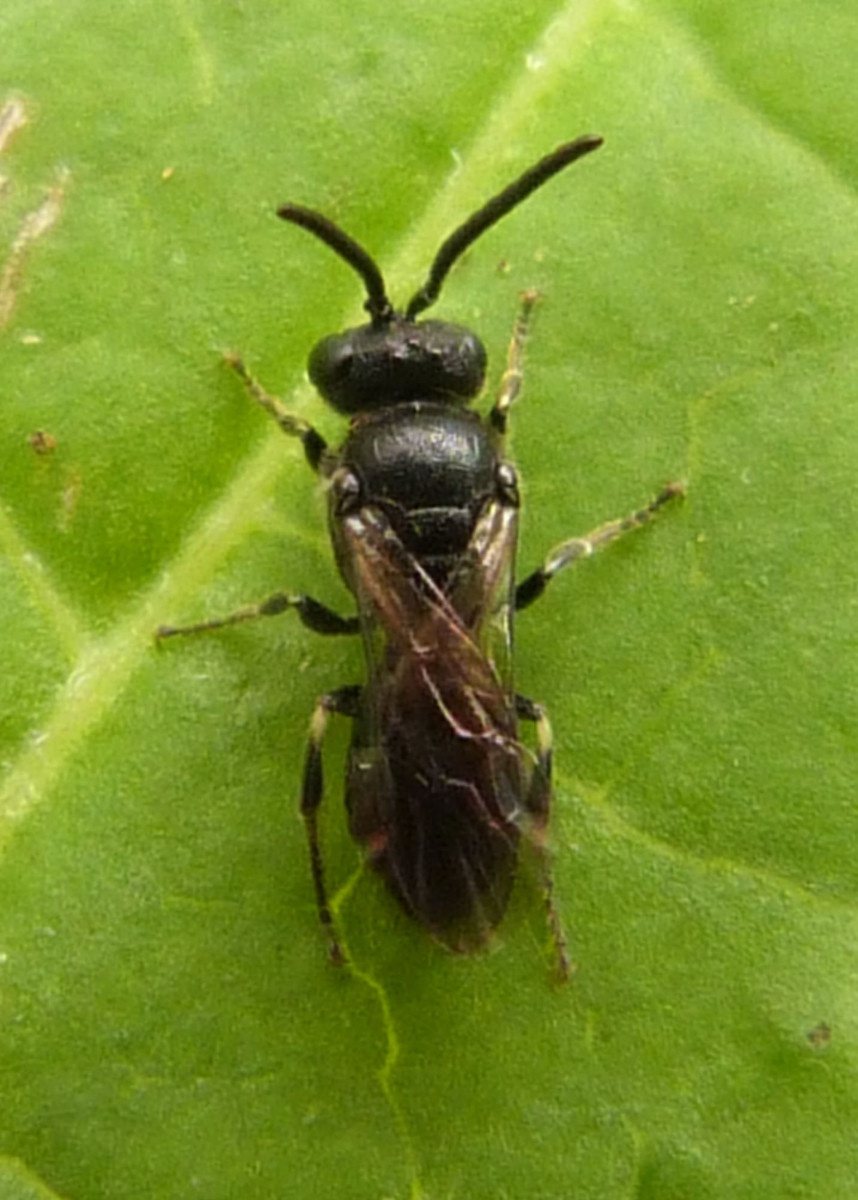
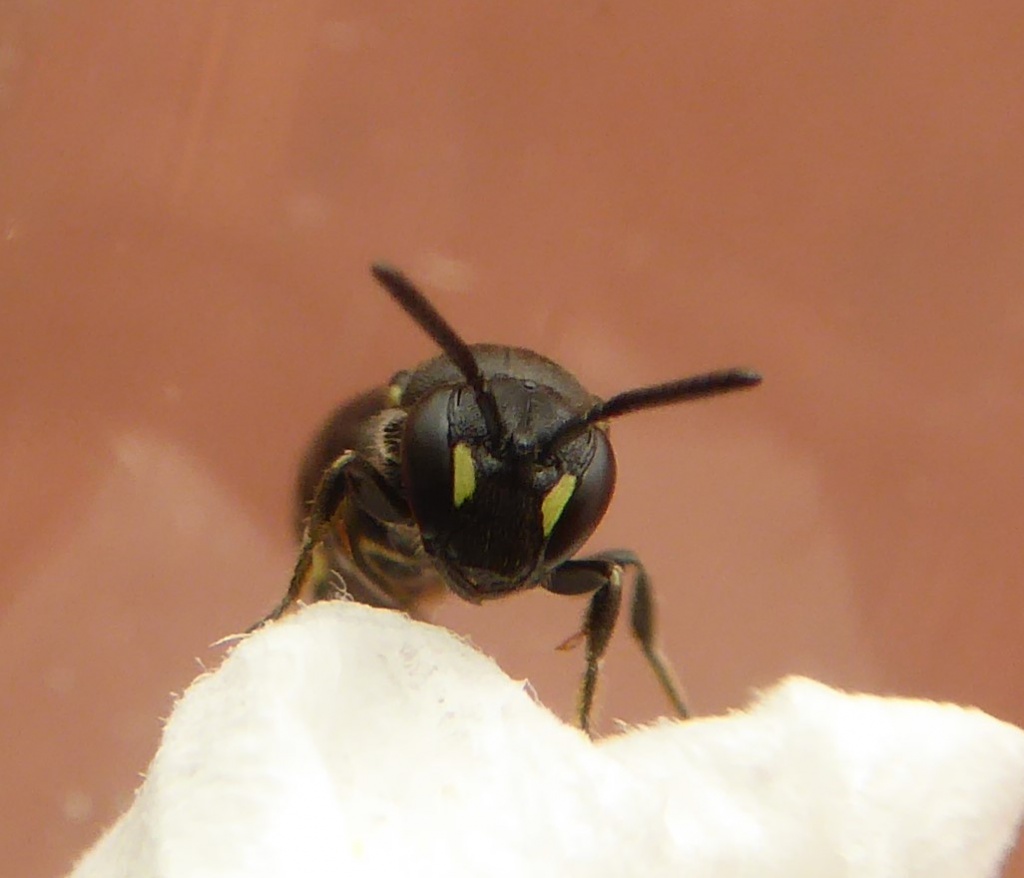
Size 6 to 8 mm. Males can be distinguished by the facial markings with the yellow on the face obviously divided by black bands and curling around the antennal sockets. Females have far more restricted yellow on the face, just a small patch lying against the edge of the eye. The antennae are entirely dark below and the hind tibia has a prominent yellow ring on the basal quarter to a half. The corners of the prothorax are prominent and strongly angled.

- lacks a fringe of white hairs at base of tergite 1
- has a band of sparce punctures on apical third of tergite 1 (needs good magnification)
Include photos showing the key characters, including a face shot, side, top and wings. Note whether male or female and explain how the specimen met the key characters and the key used. Records identified by a recognised local or national expert will be accepted. If identified via the BWARS’ Facebook note the name of the person/organisation identifying the record (e.g. ‘Stuart Roberts, BWARS Facebook’) and quote the comment received.
Feeds on a range of flowers and often found in gardens.
Peak time around July.
Probably the commonest of this group in the UK.
Fairly frequent in Leicestershire and Rutland.
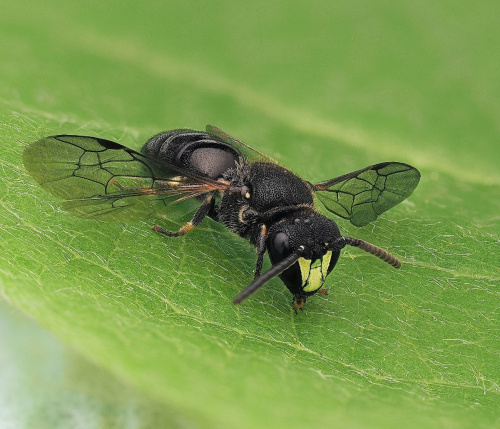 AJ Cann
Knighton
27 May 2026
male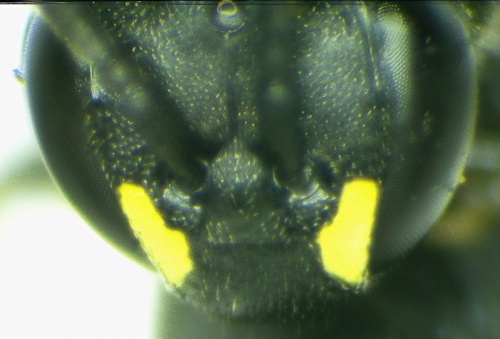 David Nicholls
Leicester Cathedral
01 June 2018
female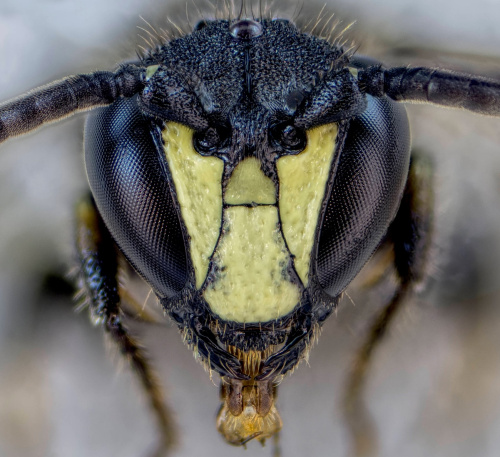 AJ Cann
Knighton
27 May 2026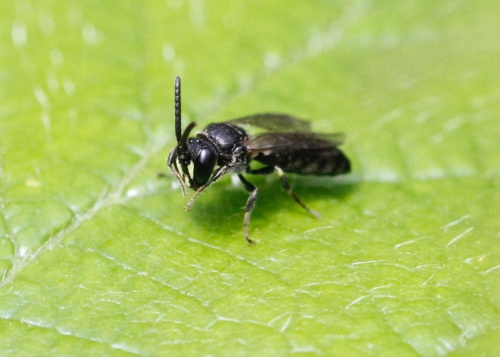 Matthew Berriman
Stretton Wood
30 June 2019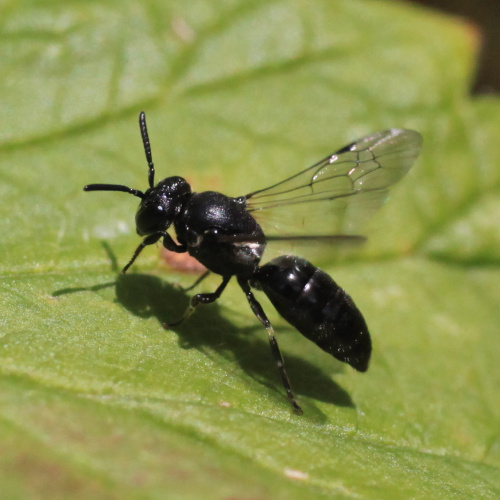 GHunt
GHunt
Oadby garden
05 July 2024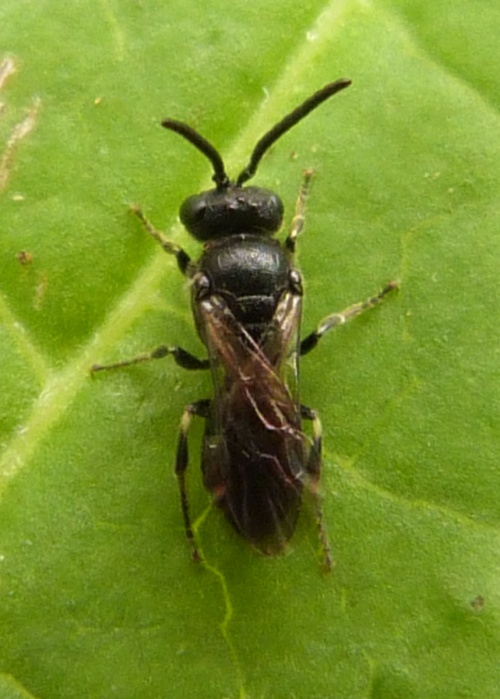 Graham Calow
Sapcote
03 July 2013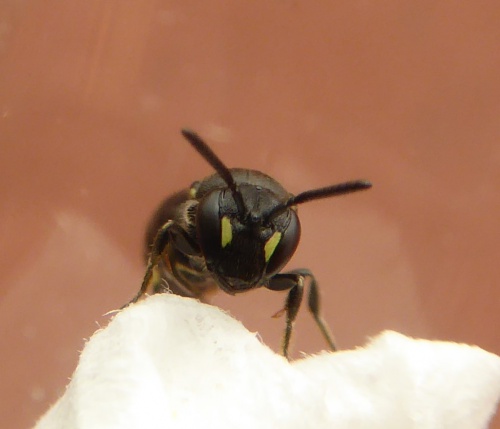 sue
sue
Bagworth
01 July 2018
Leicestershire & Rutland Map
Enter a town or village to see local records
MAP KEY:
Yellow squares = NBN records (all known data)
Coloured circles = NatureSpot records: 2025+ | 2020-2024 | pre-2020
UK Map
Species profile
- Common names
- Common Yellow-face Bee
- Species group:
- insect - hymenopteran
- Kingdom:
- Animalia
- Order:
- Hymenoptera
- Family:
- Colletidae
- Records on NatureSpot:
- 57
- First record:
- 14/06/2008 (Gould, David)
- Last record:
- 18/07/2025 (Cann, Alan)
Total records by month
% of records within its species group
10km squares with records
The latest images and records displayed below include those awaiting verification checks so we cannot guarantee that every identification is correct. Once accepted, the record displays a green tick.
In the Latest Records section, click on the header to sort A-Z, and again to sort Z-A. Use the header boxes to filter the list.
Latest images
Latest records
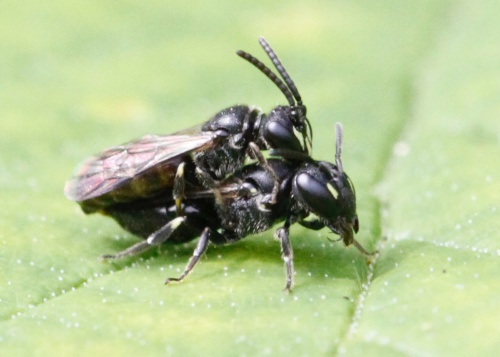 Matthew Berriman
Clipsham Park Wood
21 July 2019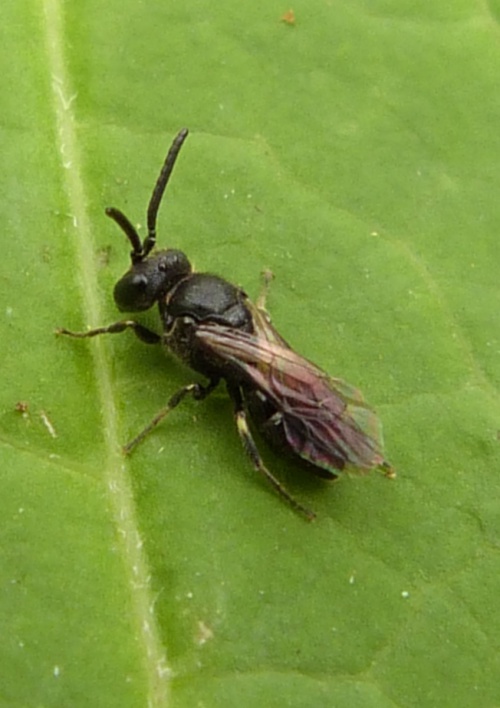 Graham Calow
Sapcote
03 July 2013
male - specimen examined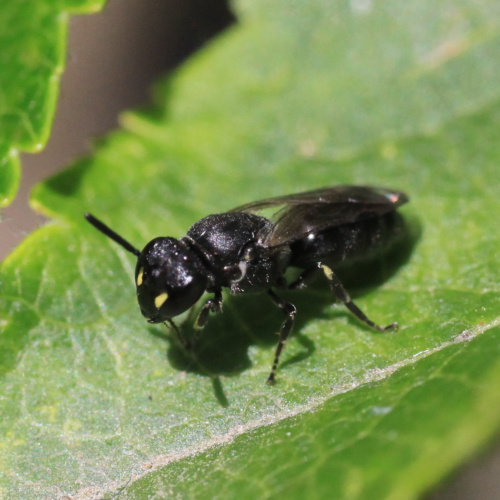 GHunt
GHunt
Oadby garden
05 July 2024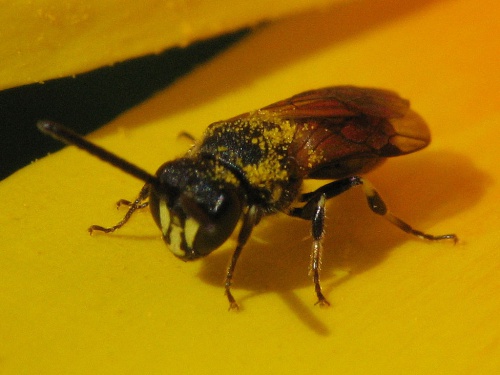 David Gould
Braunstone
14 June 2008
male face pattern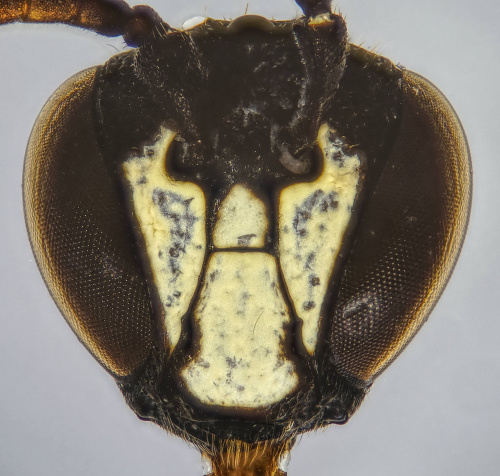 AJ Cann
Knighton
18 July 2025
male face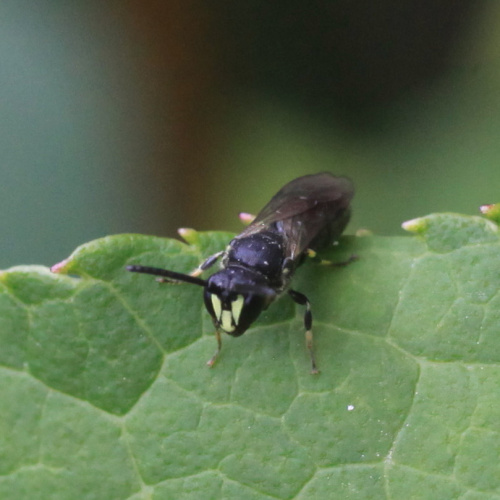 GHunt
GHunt
Oadby garden
02 June 2025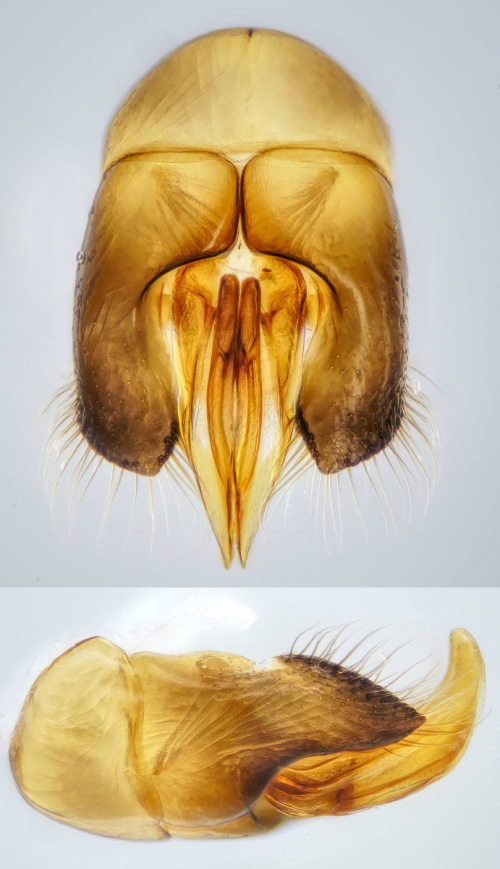 AJ Cann
Knighton
18 July 2025
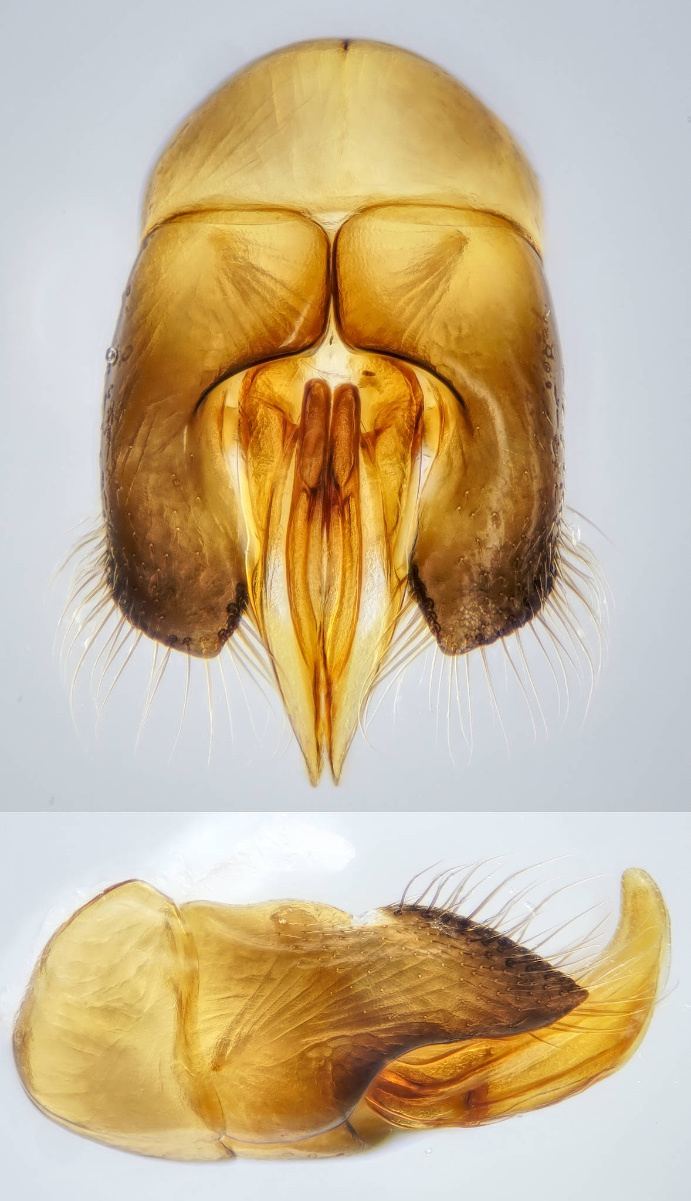
male genitalia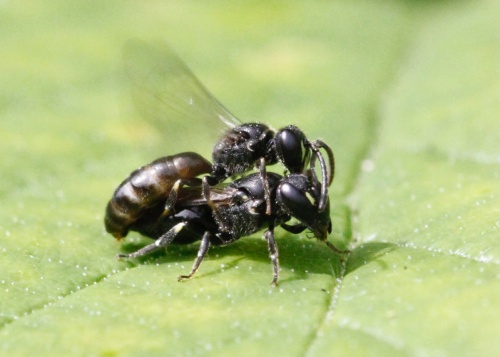 Matthew Berriman
Clipsham Park Wood
21 July 2019